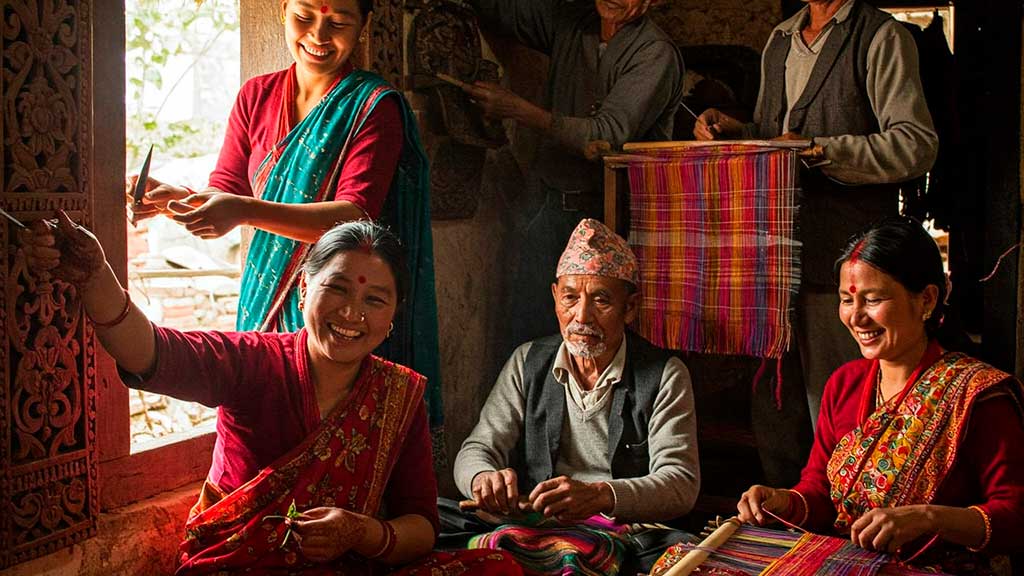

In the ecosystem of a luxury residence, technical efficiency is only half the equation. The other half, often invisible but far more decisive for long-term stability, is the human factor. Domestic staff, especially those from cultures where loyalty and honor are fundamental pillars, such as Nepali staff, are not just looking for a job; they are looking for an environment where their presence is valued and their identity is respected. Fostering a sense of belonging is not a gesture of courtesy, but a smart management strategy that transforms an employee into a devoted guardian of the family’s well-being.
The psychology of belonging in luxury service
Belonging is a basic human need that, when satisfied in the workplace, translates into a commitment that goes far beyond a contract. In a high-end home, this means that the staff feels the family’s objectives as their own.
Recognition beyond financial compensation
While a competitive salary is the foundation of any professional relationship, emotional recognition is what creates the true bond. Sincere gratitude for a specific detail—such as the impeccable preparation of a dinner or the meticulous care of a delicate garment—validates the worker’s effort. For Nepali staff, whose professional pride is intrinsically linked to service, knowing that their excellence is noticed by the employer strengthens their self-esteem and their desire to excel.
Creating an environment of psychological safety
An employee who fears making mistakes will never innovate or feel like part of the home. Psychological safety is the belief that one will not be punished for making an honest mistake or for expressing a suggestion. When an environment is encouraged where staff can propose improvements in domestic management without fear of rejection, they are being given a seat at the table of household management, elevating their status from “executors” to “collaborators.”
Respect for cultural and personal identity
Integrating Nepali staff involves understanding that they bring a rich heritage of values with them. Recognizing holidays important to them or allowing them space to practice their traditions is not only an act of humanity; it sends a powerful message: “We see you as a person, not just a function.” This level of respect generates a cultural reciprocity that is the basis for harmony in cohabitation.
Practical strategies to strengthen the professional bond
Moving from theory to practice requires implementing rituals and communication systems that institutionalize recognition within the daily routine of the house.
Implementing constructive feedback sessions
Recognition should not be random. Establishing brief monthly meetings to review achievements and areas for improvement provides a professional structure. In these sessions, it is vital to ask the staff: “What do you need to do your job better?” or “How do you feel in this house?” This two-way communication prevents small misunderstandings from turning into resentment and demonstrates a genuine interest in their professional development.
Investment in staff well-being and training
Fostering belonging also means investing in the employee’s future. Offering specialization courses (wine pairing, advanced protocols, or new domestic technologies) shows that the family sees a long-term future for that worker. The staff feels they are growing along with the family, which drastically reduces turnover and keeps operational knowledge within the home.
The Impact of Belonging on Service Excellence
A team that feels recognized is a team that protects the family’s privacy and assets with unmatched professional zeal. Loyalty is the direct consequence of a well-managed sense of belonging.
Proactivity as a result of commitment
When an employee feels part of “the house,” they stop waiting for orders and start anticipating needs. This proactivity is the hallmark of ultra-luxury service. Nepali staff, known for their discretion and observation, reach their full potential when they feel their intuition is valued. A home where belonging is fostered is a home where things “just happen” without the employer having to ask.
Reduced turnover and family stability
Staff turnover is one of the greatest sources of stress in large residences. Losing a trusted employee implies a breach of privacy and a costly process of training a successor. A sense of belonging acts as the “glue” that retains talent. A worker who feels respected and recognized is unlikely to look for other options, thus ensuring stability and peace of mind for the family over the years.
Agency mediation as a catalyst for harmony
This is where the role of Luxury Nepalese Agency becomes fundamental. We act as translators of these emotional expectations. We help employers structure these recognition systems and provide staff with the support they need to feel secure in their roles. Our mediation ensures that the sense of belonging is cultivated on a professional foundation, avoiding the relationship becoming too informal while maintaining the necessary warmth.
Building a legacy of mutual respect
In the long run, the most successful homes are those where service is perceived as a noble and essential profession. Fostering belonging does not diminish the employer’s authority; on the contrary, it legitimizes it. A household leader who recognizes and values their team is served with a devotion that money alone cannot buy.
Ethics of care and return on investment
Finally, we must understand that the well-being of the staff is the well-being of the home. A Nepali employee who feels that their work has a purpose and that their person is appreciated will radiate that energy in caring for children, attending to guests, and maintaining the property. Belonging is, ultimately, the most profitable investment a homeowner can make.
Conclusion
A sense of belonging and recognition are the invisible threads that weave the safety net of a luxury residence. At Luxury Nepalese Agency, we firmly believe that technical excellence must be accompanied by exceptional human management. By fostering an environment where Nepali staff feel valued, respected, and an integral part of the home, we are not just improving domestic service; we are elevating the quality of life for everyone living under that roof. Loyalty is not demanded, it is cultivated, and the fruit of that cultivation is absolute harmony.